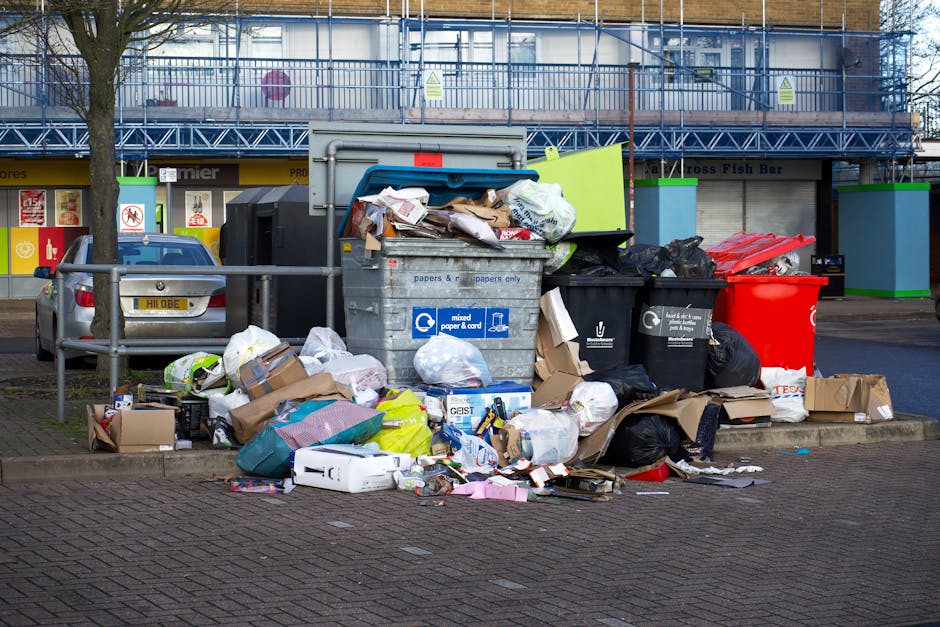
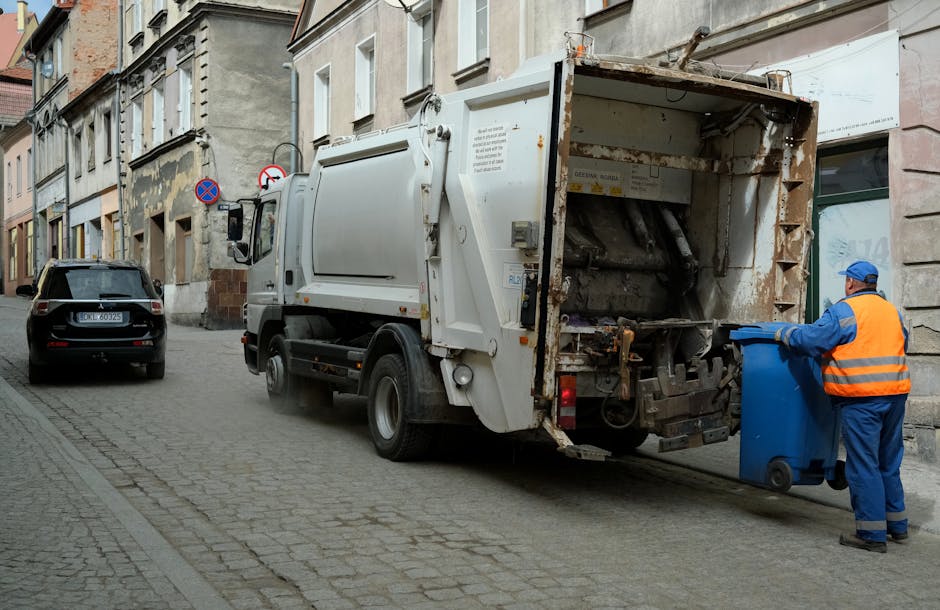
Chiswick High Road guide to rubbish removal for homes
If you live near Chiswick High Road, rubbish removal can quickly become one of those jobs that looks simple until you're standing in a hallway full of broken furniture, black bags, or a shed that has quietly become a storage unit. This Chiswick High Road guide to rubbish removal for homes is here to make the whole process clearer, calmer, and a lot more manageable. Whether you're clearing one bulky item or sorting through a full property, the right approach saves time, reduces stress, and helps you avoid the usual mess and second-guessing.
In practice, home rubbish removal is about more than getting things out the door. It's about choosing the right method for the waste you have, protecting your home while the job is being done, and making sure reusable or recyclable items are handled properly. To be fair, the best jobs are usually the ones that feel almost boring by the end - neat, tidy, and done without drama.
Below, you'll find a practical walkthrough of how rubbish removal works for homes around Chiswick High Road, what to expect, what to avoid, and how to make a sensible decision if you're comparing options. If you want a broader overview of house and home clean-outs, pages like home clearance and house clearance may also help you frame the bigger picture.
Table of Contents
- Why rubbish removal matters for homes on Chiswick High Road
- How the process works in real life
- Key benefits and practical advantages
- Who needs this and when it makes sense
- Step-by-step guidance
- Expert tips for better results
- Common mistakes to avoid
- Tools, resources and recommendations
- Law, compliance, standards, or best practice
- Options, methods, or comparison table
- Case study or real-world example
- Practical checklist
- Conclusion
- Frequently asked questions
Why Chiswick High Road guide to rubbish removal for homes Matters
Homes close to Chiswick High Road often deal with the same familiar pressures: limited storage, tight access, busy streets, parking restrictions, and the ordinary chaos of family life. Add in a house move, renovation, inherited items, or a long-overdue declutter, and rubbish starts to pile up faster than most people expect. That is exactly why a practical local guide matters.
When rubbish builds up in a home, it doesn't just take space. It gets in the way of normal living. You notice it when you can't open a cupboard properly, when a spare room becomes unusable, or when a pile of old chairs and packaging makes the place feel more cramped than it really is. And once clutter starts affecting how you use the home, it becomes harder to ignore.
There's also a local rhythm to think about. On a road as active as Chiswick High Road, timing, loading access, and avoiding unnecessary disruption all matter. A good rubbish removal plan respects the property, the neighbours, and your own time. That sounds obvious, but it's the difference between a tidy job and one that becomes a faff.
Expert summary: The best home rubbish removal jobs are planned, sorted, and tailored to the type of waste involved. The goal is not just removal, but a clean finish with as little disruption as possible.
If the job includes bulky furniture, you may also find it useful to explore furniture clearance and mattress and sofa disposal for items that need special handling.
How Chiswick High Road guide to rubbish removal for homes Works
At a basic level, home rubbish removal follows a simple pattern: identify the waste, decide what can be reused or recycled, separate any items that need special treatment, then arrange collection or removal. The details matter, though. One bag of mixed household waste is not the same as a full garage of broken furniture, and a fridge is definitely not the same as a pile of cardboard. Common sense helps. A lot.
Most domestic jobs fall into one of a few patterns:
- Single bulky item removal such as a wardrobe, mattress, or old appliance.
- Room-by-room clearance after decorating, moving, or downsizing.
- Whole-property waste removal where several types of rubbish are mixed together.
- Outdoor clearance such as shed contents, garden waste, or broken outdoor furniture.
For some homes, a straightforward removal service is enough. For others, especially where there's a lot of mixed material, something closer to a waste removal service makes more sense because it can handle different categories in one visit.
What happens next depends on the provider and the type of waste. In many cases, the team will assess the load, quote based on volume or complexity, and remove items from inside the property or from an agreed collection point. If stairs, narrow hallways, or parking constraints are involved, that usually affects the planning. Around Chiswick High Road, that kind of practical detail is often the real issue rather than the rubbish itself.
There is also a sustainability angle. Reputable services will try to separate recyclable material, reusable furniture, and anything that needs specialist disposal. If you care about that side of things - and many households do - a service with a clear recycling and sustainability approach is worth prioritising.
Key Benefits and Practical Advantages
The obvious benefit is getting your space back. But the real advantages go a bit deeper than that. Good rubbish removal makes the home easier to live in, easier to clean, and easier to manage emotionally. Clutter has a way of sitting in the background and quietly draining energy. Once it's gone, people often notice the house feels lighter. Not magical, just practical.
Here are the main benefits homeowners usually care about:
- Speed: A planned collection can clear a lot in one go, instead of weeks of trips to the tip.
- Convenience: Heavy and awkward items are removed without you needing to move them alone.
- Less disruption: With the right timing, the job can be completed cleanly and efficiently.
- Better use of space: Spare rooms, lofts, garages, and hallways become usable again.
- Improved safety: Clear floors and exits reduce trip hazards and clutter-related accidents.
- More responsible disposal: Recyclable and reusable items can be separated more carefully.
There's also a small but important trust benefit. When you know the waste is being handled properly, you do not have to keep worrying about what happened to the old boiler casing, cracked mirror, or that stained sofa you've been staring at for months. A decent service removes the mental load as well as the physical stuff.
For larger mixed household jobs, especially if furniture is part of the load, the related pages on furniture disposal and flat clearance can help you compare service types and decide what fits your situation best.
Who This Is For and When It Makes Sense
Home rubbish removal is not just for people in the middle of a big move. In fact, lots of smaller situations create the need. A few bags here and there can turn into a proper job if you've been ignoring them for a while. It happens. Life gets busy.
This guide is especially useful if you are:
- preparing for a sale or tenancy change
- clearing out after a renovation or decorating project
- dealing with old furniture, white goods, or broken household items
- sorting a loft, garage, shed, or spare room
- helping a relative downsize or declutter
- trying to restore order after a long period of accumulation
- looking for a better option than multiple car trips and lifting on your own
Sometimes the decision comes down to access and time. If you live in a flat, on an upper floor, or in a property with awkward stairs, a direct removal service can save a lot of effort. If you're on the ground floor but have a lot to move, a full house clearance or home clearance can be more efficient than trying to tackle it in bits and pieces.
And yes, there are moments when it makes sense to wait. If the waste is not fully sorted, if you may still need some items, or if hazardous materials are involved, pause and plan properly. Rushing a clearance rarely ends well. Been there, regretted that.
Step-by-Step Guidance
If you want the process to feel less overwhelming, break it into stages. That's the easiest way to do it, and honestly the least stressful. A small, structured approach usually beats a heroic last-minute clean-up.
- Walk through the property
Make a quick inventory of what needs to go. Be realistic about volume and weight. Look in cupboards, loft corners, under beds, and behind doors - the places where "temporary storage" tends to become permanent. - Sort into clear groups
Separate general rubbish, furniture, electrical items, garden waste, and anything uncertain. You do not want to discover halfway through that a pile includes an item that needs specialist handling. - Pull out reusable items
If there's anything still in usable condition, set it aside. Reuse is often better than disposal, and it keeps the clear-out leaner. - Identify awkward or regulated waste
Things like fridges, certain electricals, or suspected hazardous materials should be flagged early. If you are unsure, keep them separate and ask before collection. - Measure access
Note stairs, door widths, parking limits, and any loading difficulties. On roads near Chiswick High Road, access planning can save a lot of time on the day. - Request a quote
Give a clear description of the items, access, and any special requirements. A more accurate quote usually comes from better information. Simple as that. - Prepare the area
Move small personal items out of the way, protect anything staying, and make hallways as clear as possible. If needed, ask about safe handling and insurance expectations via the provider's insurance and safety information. - Confirm payment and timing
Check how the quote is structured, what is included, and when payment is taken. The page on payment and security is a useful reference if you want to understand the basics before booking.
The last step is the most satisfying one: inspect the space after the rubbish has gone. Take a minute. Open the window, let the air move through, and see the room properly again. That moment matters more than people expect.
Expert Tips for Better Results
After enough home clearances, a few patterns become very clear. The jobs that go smoothly tend to be the ones where the homeowner has done a little prep and asked the right questions. Nothing fancy. Just a bit of thought.
- Take photos before booking. They help avoid misunderstandings and make quoting easier.
- Group items by type. A separate pile for furniture, bags, and appliances keeps everything clearer.
- Flag anything heavy or fragile. That includes mirrors, glass tables, and awkward wardrobes.
- Don't leave the sort-out until collection day. You'll make faster decisions the day before, not while people are waiting at the door.
- Ask what happens to reusable items. Even if the answer is simple, it's a good sign the service is thinking carefully.
- Keep valuables and paperwork separate. It sounds obvious, but receipts, keys, documents, and sentimental bits can hide in odd places.
One practical tip that often gets overlooked: if you're clearing a room used by children or older relatives, build in more time than you think you need. Those spaces often contain more small loose items, mixed storage, and fragile pieces than a standard room. A spare 20 minutes can make the difference between steady progress and frustration.
If your home clear-out is linked to specific bulky items, it may also be worth looking at fridge and appliance removal or mattress and sofa disposal so you know what the service can handle cleanly.
Common Mistakes to Avoid
Most clearance headaches come from the same few mistakes. The good news is they are easy to avoid once you know what to watch for. The bad news? People keep making them anyway, usually while trying to save ten minutes.
- Mixing everything together. When all waste is lumped into one pile, sorting takes longer and quoting becomes less accurate.
- Ignoring access issues. A narrow stairwell or tricky parking spot can change the whole plan.
- Forgetting about specialist waste. Appliances, certain electronics, and suspected hazardous items should not be treated as ordinary rubbish.
- Underestimating volume. What looks like "a few bags" can become a van-load very quickly.
- Skipping the re-check. Before anything leaves the property, double-check drawers, cupboards, and shelves.
- Choosing purely on speed. Fast is useful, but the cheapest or quickest option is not always the safest or cleanest fit.
A common one in homes near busy roads is poor timing. If the collection is arranged without considering traffic, access, or neighbours, the job can feel rushed and awkward. Better to give the process enough breathing room. Nobody wants to be the person blocking the hallway while muttering about missing bin bags.
Tools, Resources and Recommendations
You do not need a warehouse of equipment to organise domestic rubbish removal. A few simple tools and habits are usually enough. The aim is to make the job clear, not complicated.
Useful items and prep materials include:
- strong refuse bags
- marker pens or labels for sorting
- gloves for dusty or rough items
- packing tape for securing loose parts
- a notebook or phone notes for item lists
- basic measuring tape for awkward furniture or access points
If you're working through different parts of the property, these pages can also help you think more specifically about the job:
- garage clearance for storage-heavy spaces
- loft clearance for hard-to-access upstairs storage
- garden clearance for outdoor waste and overgrown corners
- furniture clearance for bulky household items
One simple recommendation: keep a "maybe" pile separate from the start. If you are unsure whether something should stay, go into storage, or be removed, don't bury it in the main load. That tiny decision saves a surprising amount of stress later.
Law, Compliance, Standards, or Best Practice
For home rubbish removal, the safest approach is to follow standard UK waste-handling best practice and use a provider that can explain how waste is handled responsibly. You do not need to become a waste law expert, but you do want to know that items are being managed properly and not just tipped into a van and forgotten about.
In everyday terms, the important principles are:
- Duty of care: Waste should be transferred to a legitimate, responsible carrier or processor.
- Separation of special waste: Hazardous or unusual items should be identified and handled separately where needed.
- Safe handling: Heavy lifting, sharp edges, broken furniture, and electrical items should be treated carefully.
- Traceable practices: Good providers can explain what they remove, how they sort it, and what their general process is.
If your home waste includes anything that could be hazardous, do not mix it with general rubbish. Instead, ask for guidance and check the provider's relevant information on hazardous waste disposal. That is one area where "I'll just deal with it later" is not a great plan.
It is also reasonable to expect a professional standard around safety, communication, and access planning. Pages such as health and safety policy and complaints procedure can be helpful markers of how seriously a company takes its work.
Options, Methods, or Comparison Table
Different homes need different methods. There is no one-size-fits-all answer, which is annoying but true. A small flat clear-out and a packed family house are very different jobs.
| Method | Best for | Pros | Watch-outs |
|---|---|---|---|
| DIY bagging and tip runs | Small amounts of light rubbish | Flexible and familiar | Time-consuming, tiring, and awkward for bulky items |
| Skip hire | Longer projects with steady waste output | Good for ongoing work | Needs space, planning, and clear knowledge of what can go in a skip; what can go in a skip is worth checking first |
| Man and van style rubbish removal | Bulky items and mixed household waste | Quick, direct, less lifting for the homeowner | Needs good quoting and clear item description |
| Full home clearance | Large or time-sensitive clear-outs | Efficient for many rooms at once | Requires more planning, especially access and sorting |
If you're trying to choose between a partial load and a more complete service, the biggest question is usually not cost alone. It's effort versus outcome. Do you want to do the lifting yourself over several weekends, or do you want the property back in one properly organised session? That answer tells you a lot.
Case Study or Real-World Example
Here's a realistic scenario. A couple living just off Chiswick High Road decides to clear a spare room before turning it into a nursery. The room contains a broken wardrobe, a mattress, several bags of old clothes, a small desk, mixed packaging, and a few forgotten boxes from a previous move. Nothing dramatic. Just the kind of accumulated clutter that quietly fills a room until you cannot ignore it any longer.
They start by separating items into keep, donate, and remove. The wardrobe is too damaged to reuse, the mattress is beyond saving, and the packaging is simply waste. A few boxes contain paperwork and sentimental items, so those are pulled aside before collection. They also notice the stairwell is narrow and the hallway turns sharply at the bottom, which means access needs to be considered before any lifting begins.
Once they describe the items clearly and mention the access point, the removal is easier to plan. The result is not just an empty room. It is a room that can actually be used, painted, and set up properly without clutter underfoot. The parents are relieved, frankly. There is something very calming about walking into a room and hearing your own footsteps again.
That kind of outcome is common. What makes it work is not luck. It is the combination of sorting, planning, and choosing a service that understands domestic rubbish removal as a practical home task rather than a rushed pickup.
Practical Checklist
Use this simple checklist before you book or start a home rubbish removal job. It keeps the process grounded and cuts down on surprises.
- Identify exactly what needs to go.
- Separate furniture, bags, appliances, and loose waste.
- Pull out anything you still want to keep.
- Check for items that may need special handling.
- Measure stairways, doors, and access points if needed.
- Take a few photos for reference.
- Ask how pricing is structured.
- Confirm timing and arrival expectations.
- Protect floors, walls, and items staying in the home.
- Do a final sweep of cupboards, drawers, and hidden corners.
Quick takeaway: the more clearly you prepare, the smoother the removal. That's true whether you are clearing a single room or a whole house. Small effort up front, much easier day later.
Get a free quote today and see how much you can save.
Conclusion
A good Chiswick High Road guide to rubbish removal for homes should leave you feeling more confident, not more confused. The job becomes much easier once you understand the basics: sort what you have, identify anything unusual, think about access, and choose the right removal method for the scale of the task. That is really the heart of it.
For some homes, a small collection is enough. For others, a more complete clearance saves time, energy, and a lot of lifting. Either way, the goal is the same: a cleaner, safer, calmer home that feels easier to live in. And when that last bag goes out and the room looks open again, you notice it straight away. It's a good feeling, honestly. Properly good.
Frequently Asked Questions
What is the best way to organise rubbish removal for a home near Chiswick High Road?
The best approach is to sort items by type, flag anything bulky or specialist, and get a clear idea of access before booking. That makes the process faster and helps avoid surprises on the day.
Can household rubbish and furniture be removed together?
Yes, in many cases they can. Mixed domestic loads are common, but it helps to separate furniture, bagged waste, and any special items so the collection can be planned properly.
What should I do with old sofas, mattresses, and wardrobes?
These are usually best handled through a furniture-focused removal or a bulky waste service. Pages such as furniture clearance and mattress and sofa disposal are useful starting points if those are the main items.
Do I need to sort my rubbish before collection?
It is not always mandatory, but it definitely helps. Sorting waste into clear categories makes quoting easier and reduces the chance of awkward delays or missed items.
How do I know if I need a full house clearance instead of simple rubbish removal?
If you have multiple rooms to clear, a lot of furniture, or a mix of waste types, a fuller service may be more efficient. If it is just a few items, a more straightforward removal may be enough.
What happens if I have a fridge or another appliance to remove?
Appliances often need separate handling because they are heavy and may require special disposal processes. If that applies, review fridge and appliance removal before booking.
Is it better to use a skip or a rubbish removal service?
It depends on the project. A skip can suit ongoing work, while a rubbish removal service is often better for bulky items, mixed waste, or homes with limited space. It is worth checking what can go in a skip before deciding.
What if I only have a small amount of waste?
Small amounts are often easier to handle with a basic collection or a light home clearance plan. Even a modest load can be worth removing if it is taking up space or causing clutter.
Are there safety issues I should think about?
Yes. Heavy lifting, sharp edges, damaged furniture, and awkward stairways all create risk. Good planning and safe handling matter, especially in tighter homes or older properties.
How can I make sure my waste is handled responsibly?
Ask how the provider sorts items, whether recyclables are separated, and how special waste is managed. A strong recycling and sustainability approach is a good sign.
What should I ask before booking home rubbish removal?
Ask what is included, how pricing works, whether access affects the quote, what happens to reusable items, and whether any items need special handling. Clear questions lead to cleaner answers.
Can rubbish removal help when I am downsizing or moving home?
Absolutely. That is one of the most common reasons people book it. Downsizing often reveals just how much has been stored away for years, and a tidy removal can make the move far less stressful.
Where can I learn more about related services?
If your project includes different areas of the property, useful related pages include garage clearance, loft clearance, garden clearance, and home clearance.